
Loneliness and the Power of Building Community: A Transactional Analysis Perspective on Connection in a Digital World
In our increasingly digital lives, the shape of community has shifted. Where once community meant your immediate surroundings—people you saw at the school gates, the corner shop, or in your street—now it can include an online book group, a gaming forum, or a Slack channel for volunteers. The context may have changed, but our psychological hunger for connection remains the same.
In Transactional Analysis (TA), connection and belonging are essential for emotional well-being. As humans, we need strokes—units of recognition—to survive and thrive. Loneliness often reflects a deep unmet need for strokes: not just attention, but meaningful, affirming contact from others.
Let’s explore how TA can help us understand the difference between types of community and how to build deeper, more nourishing connection.
Community with a small ‘c’ – Shared Doing in the Adult Ego State
Small ‘c’ community refers to action-based groups with a clear purpose. Whether it’s a local clean-up crew or a work-based committee, the connection is task-focused. Often, we’re operating from our Adult ego state here: rational, organized, collaborative.
These communities are important—they meet practical needs, give structure, and allow for shared goals. But they don’t always meet our deeper emotional needs unless they also create space for spontaneity, warmth, and authentic contact.
Community with a capital ‘C’ – A Field of Connection that Nurtures the Child
Capital ‘C’ Community is more than shared doing—it’s a felt sense of belonging. It’s when you feel held in a larger system of care. Even if you’re not personally involved in every initiative, you feel supported by the knowledge that you’re part of something greater than yourself.
This activates the Free Child in us—the part that delights in knowing, “I’m not alone,” and the Nurturing Parent, who reassures: “There are good people out there, doing good things.” This kind of Community can nourish our I’m OK – You’re OK life position, fostering hope, trust, and mutual care.
Why Community Matters: Strokes, Belonging, and Psychological Health
During the isolation of lockdowns, many of us experienced a drop in positive strokes. Without everyday contact, our need for recognition—especially unconditional positive strokes—went unmet. This impacted our Child ego state, leading to increased anxiety, depression, and existential loneliness.
TA teaches us that healthy development depends on consistent, affirming contact. Community—when it offers real connection—restores that. It provides both conditional strokes (“Thanks for helping out!”) and unconditional strokes (“It’s good to see you,” or simply a warm smile).
How to Build a Community That Nourishes All Your Ego States
Start small and act from your Adult, with support from your Nurturing Parent and curiosity from your Free Child. You might:
Smile at your neighbour (Free Child inviting play or friendliness).
Strike up a conversation with the postie (Adult connecting over the here-and-now).
Offer kindness without expecting reward (Nurturing Parent giving unconditional strokes).
These are small acts, but they send powerful messages: “I see you,” “You matter,” “We’re in this together.”
Diversity, Resilience, and the ‘I’m OK – You’re OK’ Position
Just like an ecosystem thrives on diversity, so too does a healthy community. When we meet people different from us and still relate from the “I’m OK – You’re OK” position, we stretch and strengthen our capacity for empathy, compassion, and mutual recognition.
A thriving community doesn’t require that everyone be the same—it requires openness, curiosity, and safety to be who we are. In TA, this is how we move beyond outdated scripts and experience authentic contact.
When You’re Feeling Lonely: What Your Ego States May Be Saying
Your Adapted Child might be trying to fit in, people-please, or withdrawing for fear of rejection.
Your Critical Parent might say, “Why don’t you have more friends? You should be more outgoing.”
But your Nurturing Parent can step in and say: “It’s okay to feel this way. You’re human. You’re allowed to reach out.”
And your Adult can ask: “What small action can I take today to move toward connection?”
Final Thoughts: The Power of Community as Relational Repair
Community isn’t just about being around people. It’s about receiving the strokes that help us feel seen, valued, and safe. It’s about creating environments where our Child ego state can be playful, our Adult can collaborate, and our Parent can both care for and be cared for.
Even one authentic stroke—a kind word, a genuine smile—can begin to shift our inner script. From “I don’t belong” to “Maybe I do.” From “No one sees me” to “Someone just did.”
In a digital world that can often amplify disconnection, building Community is a radical, healing act.
Start small. Stay curious. Keep reaching. Contact me.
Sheila van Tol August 2025
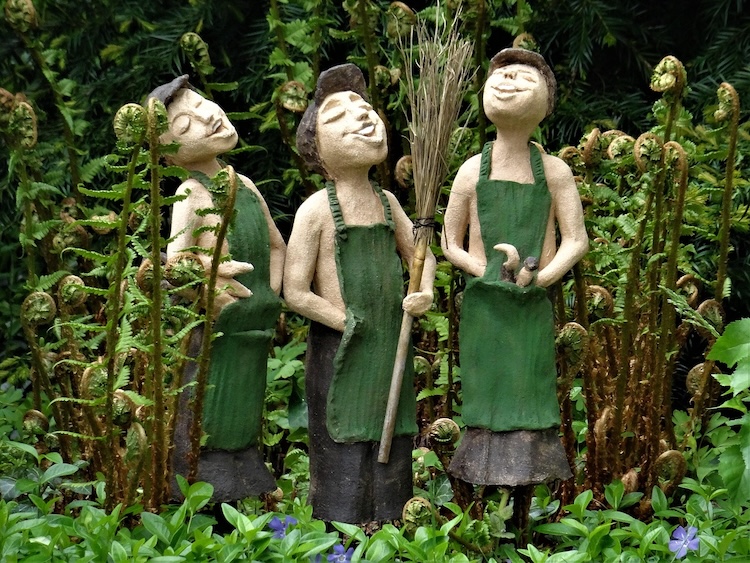
Image by Erich Röthlisberger from Pixabay